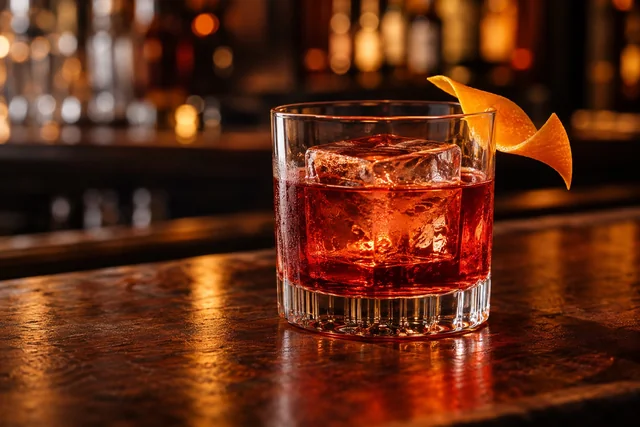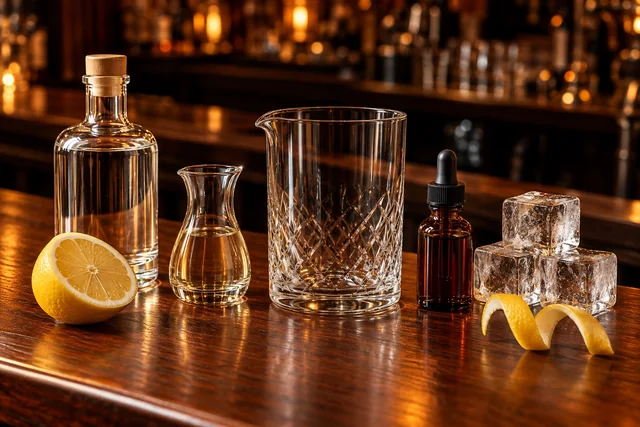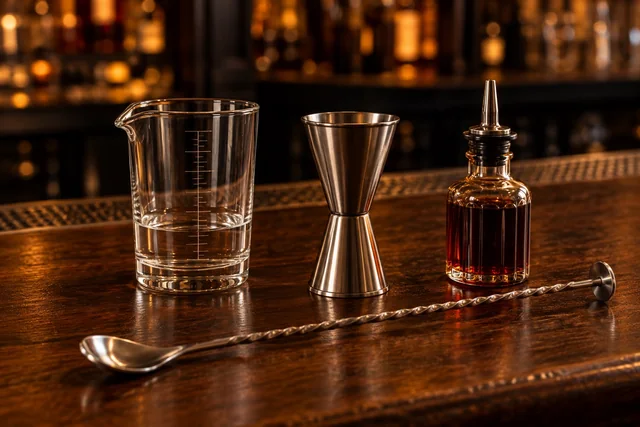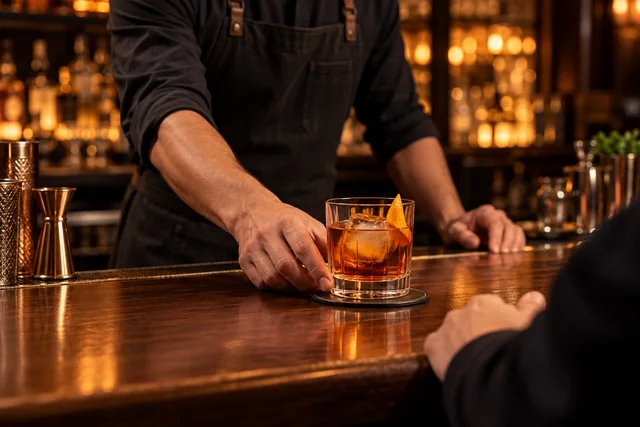
Bartending is preparing and serving drinks accurately while taking care of the person receiving them. It combines drink preparation, hospitality, and service. The work includes cocktails and other drinks, with or without alcohol.
Why the details matter
A recipe can specify every ingredient and still leave important decisions to the bartender. Was the order understood? Was the drink measured and mixed as intended? Did it reach the guest cold, clean, and ready to enjoy? Each decision affects the result in the glass or the experience of drinking it.
The three core bartending skills
Drink preparation turns an order or recipe into a repeatable serve. The bartender measures ingredients, uses the specified method, and pays attention to ice, temperature, dilution (water added as ice melts), the glass, and the finishing touch (garnish). In a Daiquiri, measuring the rum, lime, and syrup matters because a small change in the sweet or sour ingredient shifts the balance. Shaking chills and dilutes it; the mixing ice is held back when the drink is poured.
Hospitality means noticing what the person wants and responding respectfully. If someone asks for a refreshing drink that is not too sweet, the bartender can ask one useful question about their preferred flavors or whether they want alcohol. Listening first helps avoid making a technically correct cocktail that does not suit the person who ordered it.
Service is the sequence that gets the correct drink to that person. Good service starts before an order: clean tools and glassware, ingredients, ice, and the workspace need to be ready. It includes confirming unclear requests, serving promptly, and keeping the station ready for the next drink. In a bar, it also includes following the venue's procedures for responsible alcohol service.
A simple bartending workflow
Suppose a guest orders a Margarita. A practical sequence is:
- Confirm the details. Ask about the salt rim if the guest has not specified a preference. Check any ingredient concern before making the drink.
- Prepare the setup. Have the glass, shaker, strainer, ingredients, and ice ready. A clean, prepared glass keeps the finished cocktail from waiting in the shaker.
- Follow the recipe. Measure the tequila, orange liqueur, and lime juice, then shake and strain as directed. The method affects temperature, texture, and dilution.
- Check and serve. Match the finished drink to the order, check the glass and garnish, and serve it while it is cold.
The same sequence works at home: decide what you want, prepare your tools, follow the recipe, and notice the result. Professional service adds the challenge of doing this consistently for different people and several orders.
Common mistakes to avoid
- Guessing the order. A preference such as “not too sweet” needs clarification; otherwise the drink may miss the guest's expectation.
- Treating the method as optional. Shaking a drink meant to be stirred can change its texture and appearance.
- Preparing after mixing. A finished drink that waits while you find a glass or garnish warms and changes as its ice melts.
Beginner cocktails to practice
- Daiquiri: measure, shake, and strain as written; notice how preparation affects balance and temperature.
- Margarita: confirm the salt rim, then follow the recipe; one service choice changes each sip.
What to remember
Bartending combines accurate preparation with attention to the person receiving the drink. Keep the station ready, clarify the order, and serve the finished drink in the condition intended.